



The fuel additive market often feels like a minefield of marketing buzzwords. Every other term is designed to convince you that a particular product holds a unique, proprietary advantage. While true innovation isn't impossible, the likelihood of a groundbreaking "secret sauce" in such a mature and saturated market is remarkably low.
Industry insiders readily confirm that most fuel additives are formulated from a common palette of chemical compounds, each serving a specific purpose. What a supplier chooses to name these compounds is often just a branding decision.
In this article, we'll cover:
- Common Types of Fuel Additives and Their Benefits
- Why Consider Fuel Additives?
- How to Choose the Right Fuel Additive
- Dispelling Myths and Setting Expectations
Common Types of Fuel Additives and Their Benefits
Fuel System Cleaners
- Alternative names: Injector Cleaners, Fuel System Treatments, Detergent
- Why they exist: As engines are used, carbon deposits begin to accumulate in the engine leading to power and efficiency loss. Fuel system cleaners or detergents are designed to remove and prevent carbon deposit formations. All gasoline sold in the US is required to contain detergents but, according to many automakers, the minimum levels mandated by the EPA are not sufficient to prevent carbon deposits in all engines, especially in modern, direct-injection engines.
- What they do: Dissolve carbon deposits from fuel injectors, intake valves, and combustion chambers, removing existing deposits and preventing future deposit formation (with regular use).
- Benefits:
- Improved fuel atomization and combustion.
- Restores lost horsepower and acceleration.
- Restores and Improves fuel economy back to or beyond OEM standards.
- Smoother idle and reduced engine knocking.
- When to use: Every 3,000-5,000 miles or as recommended by the product.
Fuel Stabilizers
- Alternative names: Fuel Storage Additive, Fuel Stabilizer, or Fuel Storage treatment
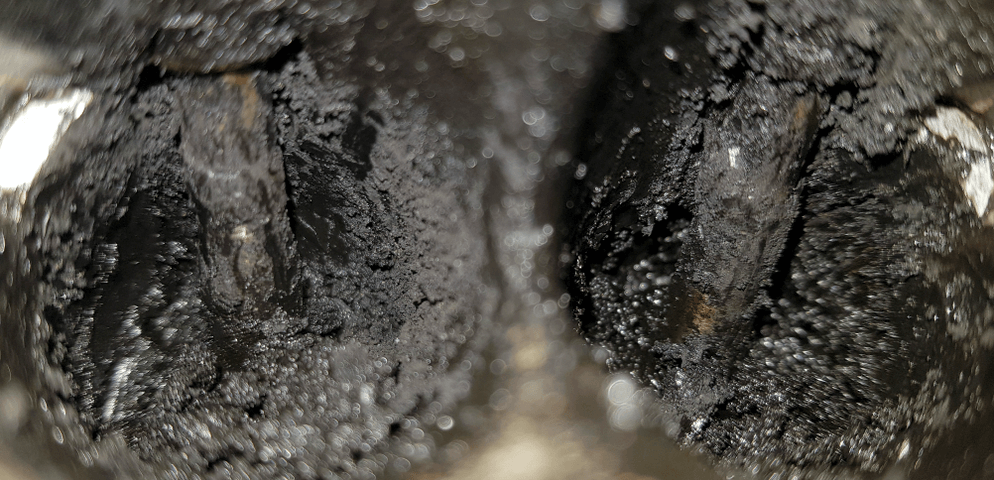
- Why they exist: During storage, gasoline will experience slow oxidation of some unstable compounds within the fuel, resulting in gum and varnish formation which can clog fuel lines, injectors, and carburetors.
- What they do: Prevent fuel oxidation and degradation for long periods of time.
- Benefits:
- Preserves fuel quality for extended periods (winter storage, infrequent use vehicles or fuel reserves).
- Prevents gum and varnish formation.
- Ensures easier engine starting after long periods of being idle.
- When to use: Before storing vehicles (boats, motorcycles, classic cars, lawnmowers) or standalone fuel for more than a month.
Water Emulsifiers
- Alternative names: Surfactant, Water Eliminator, Water-Dispersing Fuel Additive
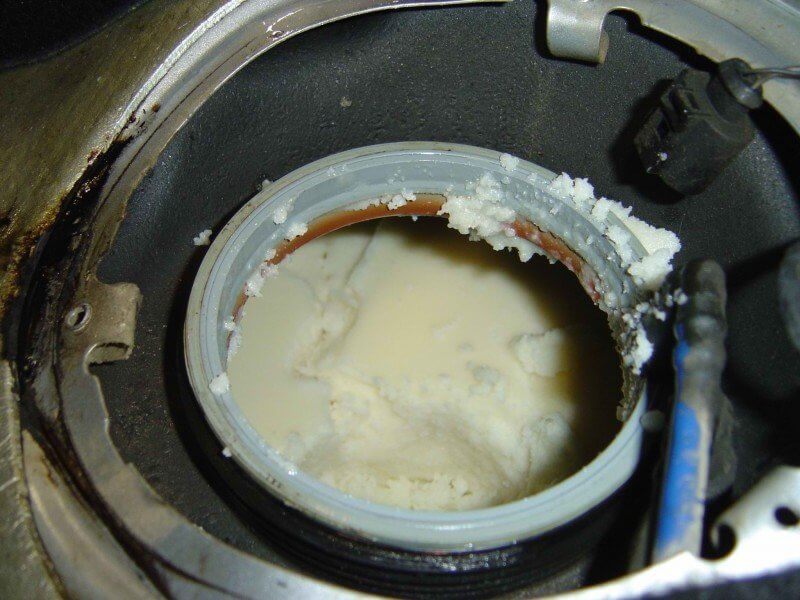
- Why they exist: Water will regularly enter fuel through tank condensation. The water can condense and freeze fuel lines in the winter or accumulate at the bottom of the tank, encouraging microbial growth and sludge formation. This sludge can clog fuel filters, contribute to tank corrosion, and reduce the fuel’s octane rating.
- What they do: Keep water suspended in the fuel, ensuring it's distributed throughout, phase separation does not occur, and water can be safely vaporized in non-HPCR engines.
- Benefits:
- Prevents water-fuel phase separation, microbial contamination, and sludge formation.
- Help prevent accelerated tank corrosion.
- Helps prevent octane reduction.
- Lowers fuel combustion temperature:
- Increasing engine efficiency,
- Reducing component wear
- Reduces NOx emissions
- Helps remove accumulated water from fuel tanks.
- When to use: Every third fuel load or as recommended by the product.

Corrosion Inhibitors
- Alternative names: Anti-Corrosion Additive
- Why they exist: Fuel often contains moisture, which can lead to corrosion, especially in storage tanks and pipelines.
- What they do: forms a protective film on metal surfaces to displace water molecules, ensuring corrosion does not occur. In some formulations, the fuel additive may also neutralize corrosive acids that may form in the fuel.
- Benefits:
- Helps prevent tank, plumbing, and engine component corrosion.
- When to use: Every fuel load or before long-term storage, depending on the application.
Lubricity Enhancers
- Alternative names: Lubricity Improvers, Lubricity Fuel Additive
- Why they exist: Modern refining processes, especially those that produce ultra-low sulfur diesel (ULSD), can reduce the inherent lubricating properties of the fuel. This reduced lubricity can lead to increased wear and tear on fuel system components, particularly pumps and injectors, where very fine tolerances exist.
- What they do: Provide additional lubrication to the upper parts of the engine (valves, piston rings).
- Benefits:
- Reduces friction and premature wear on engine components, increasing the life of the engine and its components
- Can help with noisy lifters or valve train components.
- Can improve engine efficiency/fuel economy.
- May improve sealing in older engines.
- When to use: Every fuel load or as recommended by the product.
Octane Boosters
- Alternative names: Octane Additive, Octane Improver
- Why they exist: Some gasoline engines are tuned to take advantage of fuels with higher octane numbers in which the fuel is more resistant to pre-ignition. Burning higher octane fuel can allow some engines to run more efficiently at higher compression ratios, boost pressures, and timing. Higher octane fuels are not always readily available in certain areas where gas stations only offer gasoline with lower octane ratings.
- What they do: Increase the octane rating of gasoline.
- Benefits:
- Can help engines designed for higher octane fuel perform optimally if lower octane fuel is originally used.
- May provide a slight performance boost in some specific, high-performance engines (though often negligible for standard vehicles).
- When to use: Generally only if your engine requires premium fuel and you've used regular, or if experiencing persistent knocking (consult a mechanic first). *Cautionary note: Often oversold for everyday vehicles.
Cetane Boosters
- Alternative names: Cetane Improvers, Cetane Additive
- Why they exist: Some diesel engines can take advantage of fuels with higher cetane numbers in which the fuel more readily ignites, improving engine performance.
- What they do: Increase a diesel fuel's cetane number.
- Benefits:
- Smoother engine operation
- Reduced noise
- Improved fuel economy
- Lower emissions
- Easier engine startup in cold weather
- When to use: When low-quality or lower-than-ideal-cetane diesel is being used or in cold weather conditions.
Anti-Gel Additives
- Alternative names: Cold Flow Improvers, Diesel Fuel Anti-Gel, or Winter Fuel Additives
- Why they exist: Diesel fuel contains paraffin waxes. When temperatures drop, this wax can crystallize, forming a gel-like substance that can clog filters and fuel lines.
- What they do: Prevent diesel fuel from gelling in cold temperatures
- Benefits:
- Prevents fuel gelling in cold weather.
- Maintains engine performance and prevents cold start issues.
- Reduces the risk of fuel line and injector blockages.
- Ensures reliable fuel delivery during winter operations.
- When to use: In cold-weather/winter conditions.
Why Consider Fuel Additives?
Even with today's advanced technology, the fuels we use and the engines that consume them aren't perfect. This often leads to a variety of issues that can impact your engine's performance and longevity. For instance, you might experience dips in engine performance and increased emissions due to incomplete fuel combustion.
Beyond combustion issues, modern fuel formulations can lead to other problems. You might observe accelerated tank corrosion and fuel contamination because of changes in fuel makeup. Additionally, efforts to reduce emissions have sometimes resulted in decreased fuel lubricity, which can cause increased engine wear. If you store fuel or equipment for extended periods, you'll also have to contend with fuel degradation.
This is where fuel additives come in. They're specifically designed to address these shortcomings, helping you get the best possible performance and highest level of reliability from your engines and generators. While oil companies are mandated to include a minimal amount of detergent in their fuel, they have little incentive to go beyond that. Therefore, it's largely up to you, the consumer, to use fuel additives if you want to prevent or significantly reduce the issues mentioned above.
How to Choose the Right Fuel Additive
Fuel additives are formulated to either address or prevent fuel and/or engine problems. In order to select the right fuel additive you must first identify what problems you are trying to remedy or prevent. Getting to the root of the problem can be difficult as many fuel-related issues share the same symptoms. When in doubt, it is always good to consult a mechanic before coming to any conclusions on your own.
In addition to identifying the problems you are trying to resolve, you must also be cognizant of what fuel you are trying to treat. Not all fuel additives are universally compatible. Keeping this in mind when searching for a fuel additive will prevent you from dosing you fuel with a chemistry designed for different fuel type. Reading product labels and doing targeted searches that include your fuel type in the search string can help you find the right fuel additive for your specific use-case.
Finally, it is good to pay attention to fuel additive concentrations and treatment ratios. Higher concentration fuel additives are great for treating large fuel volumes but may not be necessary for smaller applications. Fuel additives will often be priced according to the breadth of problems they address in addition to the total volume of fuel they can treat. When comparing based on price, it is always good to calculate the treatment on a cost-per-gallon or liter basis to get a true apples to apples comparison, assuming both products contain the same or similar combinations of fuel additives.
Dispelling Myths and Setting Expectations
It's crucial to understand that not all fuel additives are created equal. The market is flooded with products, and unfortunately, some manufacturers make unrealistic or even deceptive marketing claims. These misleading advertisements have cast a shadow over the entire industry, leading many to dismiss all fuel additives as "snake oil," even the genuinely effective ones.
The best way to navigate this landscape and avoid deceptive products is to prioritize transparency and verifiable data. Look for fuel additives that provide robust testing data, ideally citing standard testing methodologies from well-respected independent bodies. The American Society for Testing and Materials (ASTM) and the Coordinating European Council (CEC) are prime examples of organizations that develop rigorous, industry-recognized test methods for fuels, lubricants, and additives. If a product boasts impressive results, but can't back them up with tests conducted under these established protocols, it's wise to be skeptical. Legitimate products will often highlight their compliance with standards like ASTM D5598 for fuel injector fouling or CEC F-98-08 for diesel injector coking, among many others relevant to specific additive functions.
Furthermore, it's important to temper your expectations in the face of lofty marketing claims. While a good number of fuel additives on the market are indeed effective and rely on well-researched chemistries to achieve their stated purpose, they are not a magic bullet for all fuel or engine problems. They won't miraculously transform your daily commuter car into a track-ready beast or completely negate the need for regular engine maintenance.
Instead, think of fuel additives as a tool for gradual and measurable improvement. Consistent and proper use of a quality additive can lead to benefits such as restored fuel economy, reduced emissions, improved cold starting, and extended component life. These improvements might not be immediately dramatic, but over time, they can be significant and contribute meaningfully to the performance, reliability, and longevity of your engine or generator. By focusing on products backed by credible science and maintaining realistic expectations, you can harness the true potential of fuel additives.
Conclusion
Navigating the world of fuel additives doesn't have to be overwhelming. As we've explored, while the market can seem saturated with grandiose claims, the underlying science of effective fuel additives is well-established and relies on a common set of chemical compounds. By understanding the specific challenges your fuel and engine face – whether it's carbon buildup, fuel degradation, or reduced lubricity – you can intelligently select an additive designed to mitigate these issues.
Remember, the goal isn't to find a "secret sauce" but to make informed choices based on verifiable data and realistic expectations. Prioritize products that provide testing from reputable organizations like ASTM or CEC, and understand that consistent, proper use of a quality additive yields gradual, yet meaningful, improvements in performance, efficiency, and longevity.
By dispelling the myths and setting realistic expectations, you're empowered to make smart decisions for your vehicle or equipment. Integrating the right fuel additives into your maintenance routine can be a cost-effective way to protect your investment, optimize performance, and ultimately, unlock your engine's true potential for years to come.
For more on fuel additives, check out AXI International's own line of fuel additives and discover solutions designed to address multiple fuel quality and performance issues with a single bottle.
